 NutriScope
Understanding Daily Nutrition Habits
An educational exploration of how eating habits influence body weight awareness
Overview of Daily Eating Habits

What Are Daily Eating Habits?
Daily eating habits refer to the patterns and routines we develop around food consumption throughout our lives. These habits are shaped by cultural background, lifestyle, availability of foods, and personal preferences.
Understanding these patterns provides insight into how consistent food choices influence overall energy intake and body weight dynamics over time. Different individuals maintain different eating schedules, portion sizes, and food selections based on their unique circumstances and choices.
The relationship between eating habits and body weight is complex and multifaceted. While food intake is one component, many other factors including physical activity level, metabolic rate, sleep patterns, and individual physiology also play significant roles.
Energy Intake vs Expenditure
The Energy Balance Concept
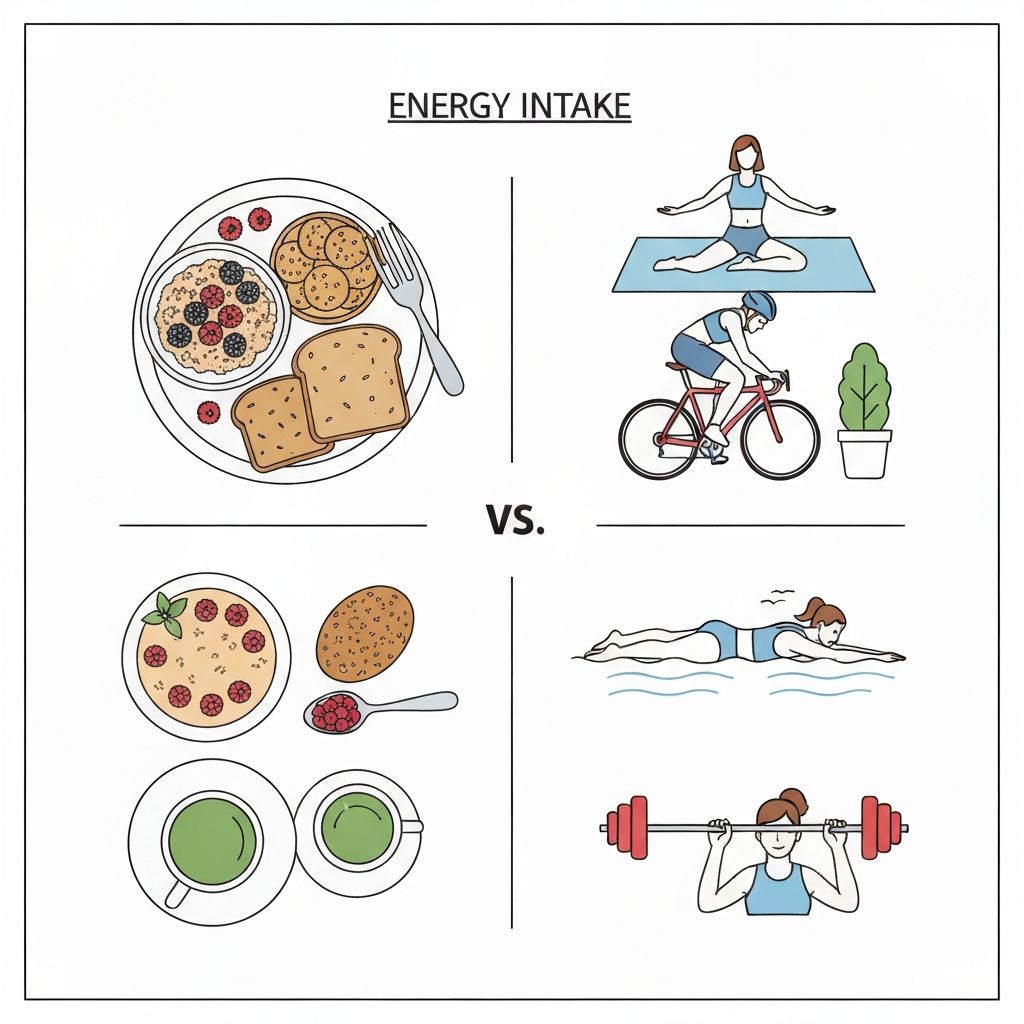
Energy balance is a fundamental concept in nutrition science. It describes the relationship between calories consumed through food and beverages and calories expended through physical activity, metabolism, and bodily functions.
When energy intake matches energy expenditure, body weight typically remains stable. When intake exceeds expenditure, stored energy increases. When expenditure exceeds intake, stored energy decreases.
However, this is a simplified model. The body's regulation of energy is influenced by hormones, metabolic adaptations, nutrient quality, food composition, and numerous other physiological factors that scientists continue to study and understand.
Different types of food require different amounts of energy to digest, absorb, and process. The thermic effect of food varies by macronutrient composition, meaning different foods have different metabolic impacts beyond their caloric content.
Macronutrient Basics
Understanding Macronutrients
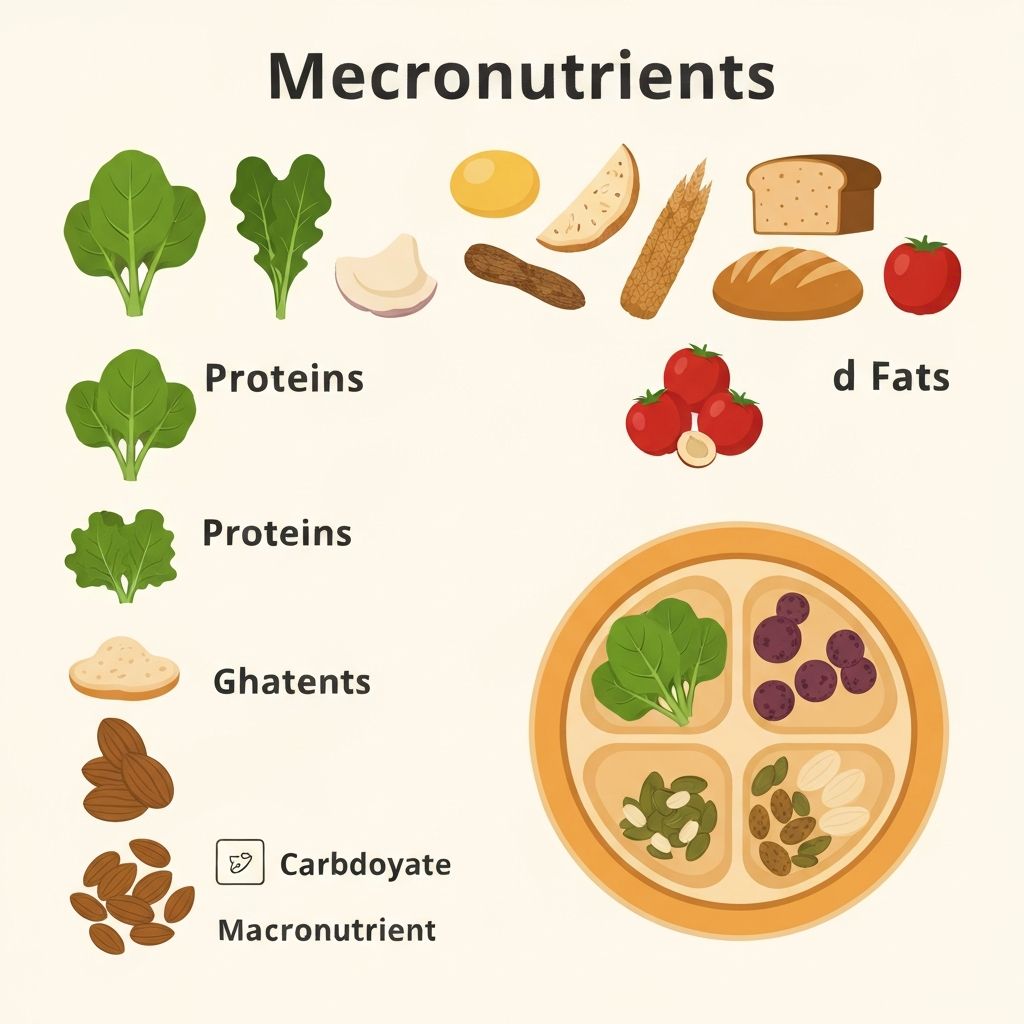
Proteins: Essential amino acids build and repair tissues, create enzymes and hormones. Found in meats, legumes, dairy, nuts, and seeds.
Carbohydrates: Primary energy source for the brain and muscles. Include both simple sugars and complex starches. Found in grains, fruits, vegetables, and legumes.
Fats: Important for hormone production, nutrient absorption, and cellular function. Found in oils, nuts, seeds, fatty fish, and avocados.
Macronutrient composition of one's diet varies greatly among individuals and cultures. Different approaches to nutrition emphasize different ratios of these macronutrients based on various philosophies and individual responses.
Common Misconceptions About Body Weight
Dispelling Myths
Myth: All calories are equal. Reality: While calories measure energy, the body processes different foods differently. Protein requires more energy to digest than carbohydrates or fat.
Myth: Skipping meals causes weight gain. Reality: Meal timing has minimal direct effect on weight. Total intake over time is more relevant, though meal patterns may influence hunger and food choices.
Myth: Carbohydrates always cause weight gain. Reality: Weight changes depend on total energy intake and individual factors, not specific macronutrients. Many cultures consume high-carbohydrate diets while maintaining healthy weights.
Myth: Exercise alone determines body weight. Reality: Both nutrition and physical activity contribute to body composition changes, though their relative importance varies by individual.
Educational Resources

Daily Eating Habits and Weight Awareness
Explore how consistent eating patterns develop and influence overall nutrition awareness. Learn about the psychological and physiological factors shaping food choices.
Read in detail →
Understanding Energy Balance in Daily Life
Discover the relationship between energy consumed and energy expended. Understand how this balance influences body weight over time and varies among individuals.
Read in detail →
Nutritional Awareness and Food Literacy
Understand how nutrition education builds awareness of food composition, dietary diversity, and the complex relationship between food choices and health.
Read in detail →Frequently Asked Questions
Daily eating habits influence body weight through accumulated energy intake over time. The relationship is influenced by multiple factors including meal frequency, portion sizes, food choices, physical activity level, metabolism, sleep, stress, and individual physiology. Different people respond differently to similar eating patterns.
Metabolism refers to all chemical processes in the body that convert food into energy. Metabolic rate varies significantly between individuals due to genetics, age, muscle mass, hormonal factors, and activity level. Understanding that metabolism is highly individual helps explain why identical eating patterns produce different results in different people.
Exercise is one component of body weight management, but nutrition plays an equally important role. Both physical activity and eating habits contribute to body composition changes. The interaction between these factors varies significantly among individuals, and genetics also influence outcomes.
Body weight is determined by complex interactions of genetics, metabolism, eating habits, physical activity, hormonal factors, sleep quality, stress levels, medications, and other health conditions. These factors vary greatly among individuals, explaining why people respond differently to similar diets or exercise routines.
No. Body weight is one variable, but overall health involves many factors including cardiovascular fitness, muscle strength, flexibility, mental health, nutrition quality, sleep, stress management, and various blood markers. Different measures provide different information about individual health status.
Educational Content Only
This website provides informational and educational content about nutrition and body weight awareness. No medical services are offered. No promises of outcomes are made. This content is not a substitute for personalized advice from qualified professionals. Individual circumstances vary greatly, and what works for one person may not work for another.